

I started my first womanhood projects ewmhisto because I was tired of reading history like it was a list of dates and dead people.
You probably are too.
Most of us want to understand women’s lives across time (but) where do you even begin? With so much out there, it’s easy to feel lost. Or worse.
Like your curiosity doesn’t count unless you have a degree.
I’ve been there. I tried books, documentaries, museum visits. None of it stuck until I used EWMHisto.
It’s not theory. It’s a working method (tested,) simple, built around real stories. Not just famous names.
Mothers. Teachers. Factory workers.
Runaways. Healers. Protesters.
EWMHisto helps you organize what matters to you. It connects a 19th-century diary to your own life. It turns research into something you can hold, share, even argue with.
You don’t need permission. You don’t need funding. You just need a question.
And this article gives you the next five steps.
By the end, you’ll know exactly how to start your own project. No fluff. No gatekeeping.
Just clarity.
What Even Are Womanhood Projects?
I call them womanhood projects because they’re not just reports.
They’re how I dig into what it meant to be a woman in 1890s Cairo or 1970s Detroit or rural Oaxaca last year.
You’ve seen the gaps. The textbooks skip her. The museum labels say “family life” and move on.
So I build something that doesn’t skip her.
That’s where Ewmhisto comes in. It’s not software. It’s not a course.
It’s a way to organize real messy history. Letters, photos, oral recordings, court records. So it says something.
A womanhood project ewmhisto isn’t about checking boxes.
It’s about choosing one thread (say,) midwifery in Appalachia (and) following it until you hit resistance, joy, silence, or contradiction.
I’ve done digital exhibits. I’ve transcribed my grandmother’s diaries and mapped where she worked versus where she was allowed to speak. I’ve helped teens stage pop-up talks at laundromats.
None of it fits a template.
But Ewmhisto gives me anchors: how to cite oral sources ethically, how to spot bias in archives, how to decide what stays hidden and what gets shouted.
Why bother? Because “womanhood” wasn’t one thing then. It’s not one thing now.
And pretending it is? That’s the real erasure.
Pick One Thing. Just One.
I start every project by picking a single thread and pulling it tight.
Not “women’s history.” Not “womanhood.” One thing.
How did Black women chemists survive at MIT in the 1950s? What did laundry workers in Chicago organize in 1919? You already know the answer to one of those questions.
That’s your topic.
Don’t pick “womanhood projects ewmhisto” as a theme. Pick a person. A place.
A strike. A lab notebook. A letter home.
Try this:
1. Write down three things you’ve argued about at dinner
2. Circle the one with the most names attached
3.
Narrow focus isn’t limiting. It’s oxygen. Without it, you drown in vague terms and shallow summaries.
Google that name + “oral history” or “archival collection”
If you get zero results on a quick search, pivot fast. Libraries hold more than books (they) hold finding aids, microfilm reels, donated shoeboxes. Ask a librarian what’s actually in their basement.
(They’ll tell you.)
Still stuck? Flip open a textbook. Find the footnote you skimmed.
That’s where real stories live. You don’t need permission to care about one woman’s tax records from 1892. You just need to decide she matters.
And then go find her.
Where to Dig Next
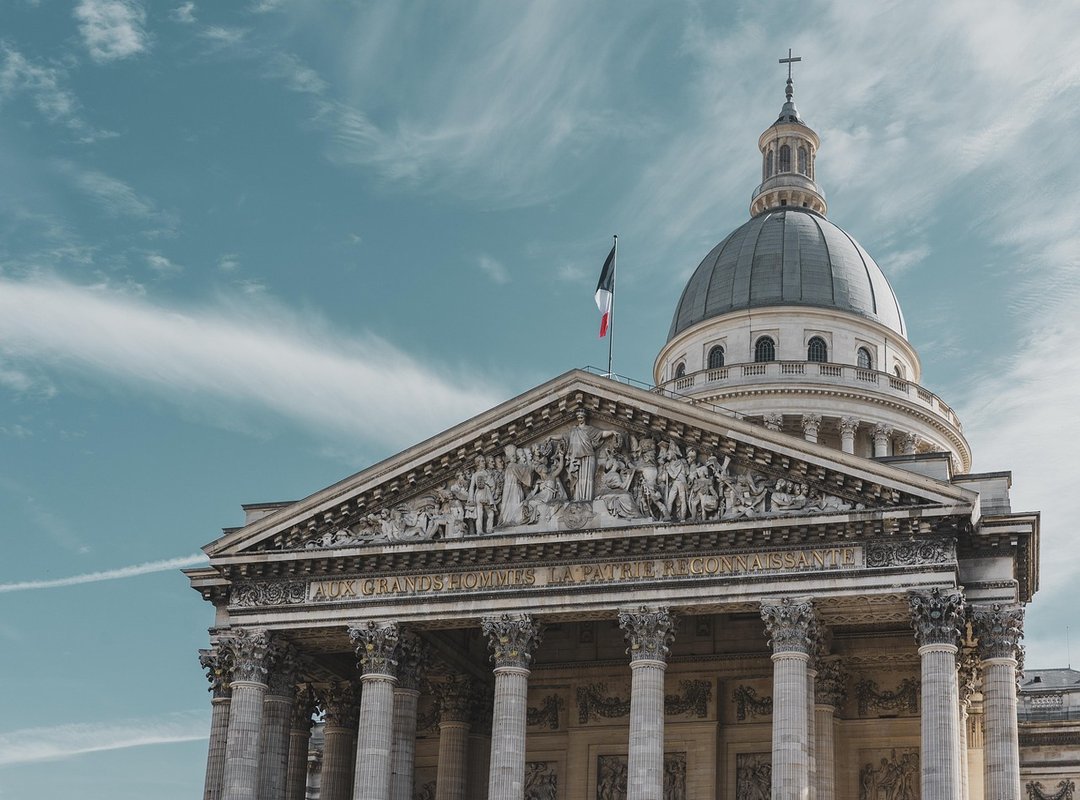
I start with libraries. Not the shiny new ones with coffee bars. The old ones with card catalogs and basement archives.
Books help. But letters do more. Diaries.
Photographs. Government documents. These are primary sources.
They don’t explain womanhood projects ewmhisto (they) show it.
Historical societies keep local records. Museums post online exhibits. Some even digitize entire collections.
(Most are free. Some ask for a login.)
Academic journals? Yes. But skip the jargon-heavy ones.
Look for footnotes. Follow them. That’s where real leads hide.
Reputable databases like JSTOR or Chronicling America work. So does talking to elders. Oral histories catch what paper misses.
You’ll find bias everywhere. Ask: Who wrote this? Who paid for it?
Who got left out?
Organize early. A folder on your desktop works. So does a notebook.
Just don’t wait until you’re drowning in PDFs.
Want deeper context on how women built networks across generations? Check out the sisterhood history ewmhisto piece. It maps real patterns, not just theories.
Start small. Pick one source. Open it.
Read three pages. Then decide what comes next.
Mistakes I Made Building EWMHisto Narratives
I started with a giant pile of notes and zero plan.
That’s how you end up with a timeline that reads like a textbook.
I thought “historical accuracy” meant leaving out everything messy. Then I realized no one cares about perfect dates if they don’t feel the person behind them. You’re not writing a court transcript.
You’re telling a story about womanhood.
I forced every project into an essay. Turns out, some stories need voice. Some need photos.
Some need silence between frames. A podcast let one woman’s laugh land in a way paragraphs never could.
I ignored present-day connections until the last draft. Big mistake. If the reader can’t see themselves in the story, it’s just history.
Not her story.
I overstructured early outlines. Rigid sections killed momentum. Now I sketch three anchors: what happened, who felt it, why it echoes today.
Everything else bends around those.
You’ll overwrite the intro. You’ll cut your favorite quote. You’ll realize the “conclusion” belongs in the middle.
Don’t wait for the “right” format. Try the one that feels urgent. Try the one that scares you a little.
That’s normal.
This isn’t about polish. It’s about pulse. If it breathes, it works.
Want real talk on how sisterhood fuels these projects? Check out Empowerment sisterhood ewmhisto. womanhood projects ewmhisto
Your Story Starts Now
I know you’ve been putting this off. You think you need permission. Or more time.
Or the perfect idea. You don’t.
You already have what you need to begin womanhood projects ewmhisto. The system is ready. Your curiosity is enough.
That story you keep thinking about? The one no one talks about? That’s your starting point.
This isn’t just research. It’s reclamation. It’s saying: *her life mattered.
Her voice counts. Her version of womanhood belongs.*
You’ll learn something real. You’ll surprise yourself. And someone else.
Maybe a student, a daughter, a stranger scrolling online (will) finally see themselves reflected.
So what’s stopping you? Not lack of skill. Not lack of time.
Just the habit of waiting for someone else to go first.
Open a blank doc. Call the local archive. Ask your grandmother one question you’ve never asked before.
Don’t wait for inspiration. Start today. Uncover one woman’s story (and) share it.
 As the lead trend analyst for Jex Lifestyle, Lirona Vaxhaven has an uncanny ability to spot the next big wave in fashion long before it hits the mainstream. Blending a background in cultural anthropology with a keen eye for street style, she deconstructs complex runway collections into practical, everyday outfit inspiration. Lirona’s curated edits focus on effortless versatility, helping readers build timeless wardrobes that feel entirely modern. Her sharp, insightful commentary ensures that the community stays ahead of the curve while remaining authentic to their own personal style.