
What happens when women show up for each other?
You already know the answer.
You’ve felt it (that) quiet strength when a friend texts at 2 a.m., or when your cousin shows up with soup and silence after a loss.
This isn’t new.
It’s old. Older than most history books admit.
This article digs into the history sisterhood ewmhisto. Not the polished version, but the real one: women stitching clothes and strategies in colonial workshops, passing coded letters during wars, building schools when no one would fund them.
I’ve spent years reading diaries, letters, meeting minutes from forgotten women’s clubs, court records where women testified for each other against the law.
It’s not just about warmth. It’s about survival. Power.
Repair.
You might wonder: does any of this matter now?
Yes (because) every time you choose loyalty over convenience, or speak up when someone else is silenced, you’re doing something women have done for centuries.
This isn’t nostalgia. It’s orientation.
You’ll walk away knowing exactly how deep those bonds go (and) why they still hold weight today.
No fluff. No filler. Just what happened, who made it happen, and why it’s still alive.
Sisterhood Was Never Just Blood
I used to think sisterhood meant sharing a last name.
Turns out, it meant sharing firewood, babies, and secrets in a mud-brick hut.
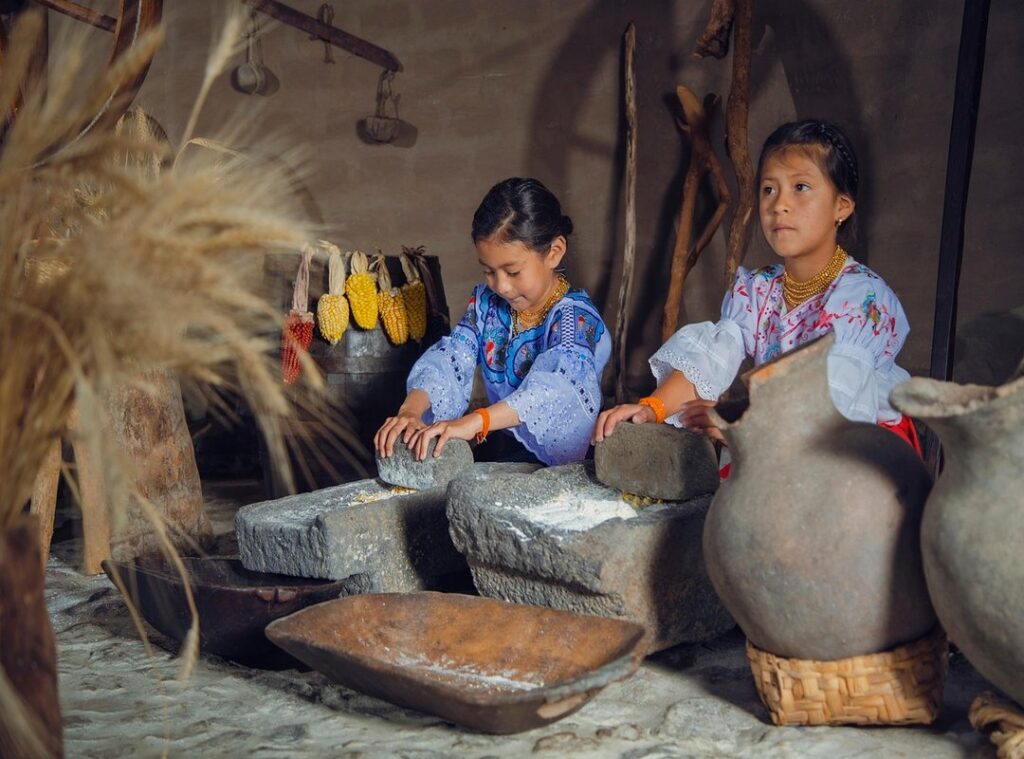
Women in early farming villages didn’t wait for permission to build bonds. They gathered wild grains together. They ground grain in pairs while one kept an eye on toddlers.
They nursed each other’s children when fever hit. That wasn’t “support”. It was survival.
You think you’d last long alone with a newborn and no fridge?
Neither did they.
In places like Çatalhöyük or pre-dynastic Egypt, women formed spiritual circles too. Priestesses weren’t solo acts. They trained in groups, passed down chants and herb lore mouth to ear.
No textbooks. No certifications. Just trust, repetition, and consequence.
These weren’t “girl gangs.”
They were infrastructure.
The kind that held communities together when men were gone hunting. Or dead.
And yet we act like modern sisterhood started with a hashtag. It didn’t. Look up the history sisterhood ewmhisto if you doubt me.
Men wrote the kings’ names. Women kept the calendars, the recipes, the midwifery chants. All oral.
All shared. All held.
So tell me. When was the last time you traded childcare for dinner without calling it “a favor”? That’s not new.
That’s ancient.
Convents, Guilds, and Spinning Circles
I saw it in the margins of old letters. Women signing their names together. Not as wives or daughters (but) as sisters.
Convents were not just prayer spaces. They were schools. Libraries.
Places where women copied manuscripts, debated theology, ran infirmaries. You think that was passive? Try managing a 30-woman household with no men in charge.
(Spoiler: it was loud, political, and full of opinions.)
Guilds did the same thing. Just with less incense. Women weavers, brewers, bakers formed alliances.
Shared tools. Covered for each other when someone got sick. Paid dues.
Got paid back. Real economics. Not charity.
And in villages? Spinning bees. Communal ovens.
Washing at the river. These weren’t “social events.” They were infrastructure. You needed help birthing a baby.
You needed someone to watch your kids while you hauled water. You needed gossip to spot danger before it hit your door.
None of this was romanticized. It was necessary. And it lasted centuries.
That’s the real history sisterhood ewmhisto (not) a trend, not a metaphor, but a lifeline.
You ever wonder how women survived without credit scores or 911?
Neither did they. So they built something else.
Sisterhood Wasn’t Born in a Boardroom
I saw it in the archives. Women gathering in parlors, basements, church halls. Not for tea and gossip, but to draft petitions, fund schools, hide fugitives.
They called them “benevolent societies.” Sounds polite. But these women were furious. And organized.
They built their own tables because no one handed them seats. (Which is why I roll my eyes when people say early feminists didn’t lead.)
Some pushed for suffrage. Others fought slavery. Many did both.
Like Susan B. Anthony and Harriet Tubman crossing paths in real time, not textbooks.
You think leadership training happens in MBA programs? Try running a secret abolitionist network while raising kids and dodging legal backlash.
These groups weren’t just meetings. They were labs for power. You spoke.
You wrote. You got shouted down (and) kept speaking.
Critics said they were “unwomanly.” Good. That was the point.
They trained generations in public speaking, budgeting, coalition-building (all) without permission.
That’s the history sisterhood ewmhisto (not) myth, not metaphor. It’s receipts, minutes, letters, arrest records.
Want proof? Read the womanhood history ewmhisto section. Not theory.
Actual minutes from 1848.
And no, they didn’t wait for approval.
Why would they?
Sisterhood Isn’t Stuck in 1920
I saw a photo yesterday. Three women in their twenties, arms around each other at a protest. One held a sign “My Body, My Rules.” Another had a sticker on her laptop: “Feminist Since Breakfast.”
That’s not suffrage-era sisterhood. But it is sisterhood.
The women’s liberation movement didn’t invent solidarity (it) weaponized it. We stopped whispering in kitchens and started shouting in boardrooms and streets. “Sisterhood” became a lifeline. Not just a word.
A shield.
Then came email lists. Then Facebook groups. Then Discord servers where women trade therapy recs and job leads at 2 a.m.
You’ve been in one. You know the ones. The group where someone posts “I got ghosted again” and ten replies hit before the coffee kicks in.
Same exhaustion. Different time zone.
Social media didn’t create sisterhood. It just made it louder, faster, messier, global. A mom in Nairobi comments on a post from a teacher in Portland about burnout.
The forms shift. The core doesn’t budge. Women still show up for each other (sometimes) with a text, sometimes with bail money, sometimes with silence that says I see you.
This isn’t nostalgia. It’s continuity. The history sisterhood ewmhisto is alive (not) in textbooks, but in DMs, group chats, and the way we hold space without asking permission.
You feel that pull too, right? That instinct to reach out before thinking?
That’s why the power of womanhood ewmhisto still lands like a fist in the chest. Because it’s real. And it’s yours.
Sisterhood Never Got Old
I’ve watched women lift each other up for centuries. Not as a trend. Not as a moment.
As a fact.
The history sisterhood ewmhisto shows it plainly: from shared hearths to shared Google Docs, women built safety in each other. You already know this. You’ve felt it.
That friend who showed up at 2 a.m. Your cousin who remembered your panic attack last year. The coworker who covered your shift without being asked.
These aren’t small things. They’re how change starts. They’re how laws got rewritten.
How clinics opened. How voices got loud enough to shake walls.
You didn’t come here for theory.
You came because you’re tired of going it alone.
So stop waiting for permission to lean in. Call that person. Say the thing you’ve held back.
Show up. Messy, real, unpolished.
Sisterhood isn’t perfect. It’s persistent. And it works best when you use it.
Do it today. Not tomorrow. Not after you “get your act together.”
Now.
Your strength is already there.
It’s just waiting for you to reach for it. And hold on tight.
 As the lead trend analyst for Jex Lifestyle, Lirona Vaxhaven has an uncanny ability to spot the next big wave in fashion long before it hits the mainstream. Blending a background in cultural anthropology with a keen eye for street style, she deconstructs complex runway collections into practical, everyday outfit inspiration. Lirona’s curated edits focus on effortless versatility, helping readers build timeless wardrobes that feel entirely modern. Her sharp, insightful commentary ensures that the community stays ahead of the curve while remaining authentic to their own personal style.