
You remember that feeling. When your sister shows up with coffee and silence, no questions asked. Or when your best friend texts at 2 a.m. saying I saw this and thought of you.
That’s not just luck.
That’s legacy.
This is about sisterhood history ewmhisto. Not the dictionary definition, but the real thing. The way women have held each other up for centuries, even when nobody was watching.
Even when the record books ignored them.
I’ve spent years digging through letters, diaries, protest banners, kitchen-table meeting notes. What I found wasn’t polite sentiment. It was plan.
It was survival. It was love with teeth.
Why does this matter now? Because if you’ve ever felt alone in your anger, your grief, your hope (you’re) not. You’re standing in a line that stretches back further than most textbooks admit.
This article isn’t a list of dates and names.
It’s proof that female connection has always been a quiet engine of change.
By the end, you’ll recognize yourself in that history. You’ll feel it in your bones. And you’ll know exactly where you stand.
What Sisterhood Actually Is
Sisterhood isn’t about blood. It’s showing up when someone needs you (and) meaning it.
I’ve seen it in my own life: a coworker covering my shift when my kid got sick. A neighbor bringing soup after surgery. A text at 2 a.m. saying *“I saw that post.
You good?”* (Spoiler: I wasn’t.)
That’s sisterhood. Not perfection. Not constant agreement.
Just presence.
It’s older than hashtags. Women have organized, shared resources, and protected each other for centuries. You can trace the sisterhood history ewmhisto through real stories (not) just textbooks. Read how it unfolded.
Think of your last group chat. Did someone share a job lead? Call out unfair treatment?
Pass along a therapist’s number? That’s not small talk. That’s infrastructure.
You don’t need a title or a meeting room to practice it.
You just need to listen first. Act second.
And stop waiting for permission.
What did you do last week that counted? What did someone do for you? Does it feel like enough?
It doesn’t have to be loud.
It just has to be real.
Ancient Roots: Sisterhood Before It Had a Name
I’ve held a clay pot from a 4,000-year-old Indus Valley site. It’s cracked. Heavy.
Made by hand. Probably a woman’s hand.
Women didn’t wait for a movement to start leaning on each other.
They leaned because falling meant death.
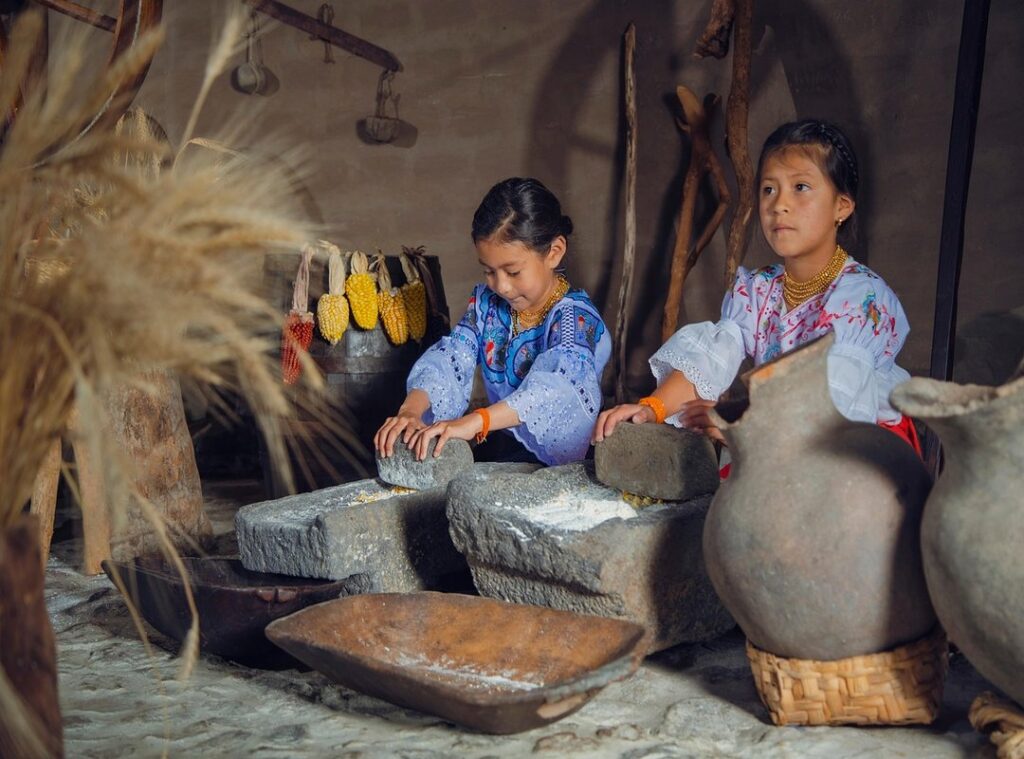
In Neolithic Çatalhöyük, women ground grain together in sun-baked courtyards. One watched the kids while another wove reeds. Another tended the fire.
No titles. No meetings. Just work that had to get done.
Think about childbirth in ancient Egypt. No hospitals. No painkillers.
Just older women holding hips, singing low, pressing warm cloths (and) knowing exactly when to push.
That’s not theory. That’s survival math. You share milk.
You share warnings. You share silence when grief hits hard.
Rituals weren’t just spiritual. They were infrastructure. The Yoruba Gelede masked dances honored elder women who kept memory alive.
Spartan mothers trained daughters in discipline (not) just for war (but) for endurance in a world that offered no safety net.
This wasn’t “sisterhood” as we hashtag it today. It was bone-deep reliance. No speeches.
No manifestos. Just hands passing bread, water, wisdom.
That’s the real sisterhood history ewmhisto (not) in books first, but in calloused palms and shared breath.
You think you’d last a week without your people? Neither did they. But they built something anyway.
Women Built Secret Lines of Support

I see it all the time in the records. Women in the Middle Ages and Renaissance weren’t just waiting around for permission.
They formed tight circles. Inside convents. Around guild workshops.
In village yards after Mass.
These weren’t formal clubs. They were lifelines.
One woman stitches your child’s christening gown while another watches your fire. You help her deliver her baby at dawn. She feeds your kids when you’re sick.
That’s how it worked.
Convents gave some women real independence. Not freedom by modern standards (but) space to read, write, lead, and choose.
Guilds let widows take over their husbands’ trades. They trained daughters. Hired other women.
Paid each other fair wages.
No one called it “sisterhood history ewmhisto” back then. They just called it survival.
You think they needed a title to know what mattered?
They shared herbs. Shared warnings. Shared silence when the bailiff came knocking.
They knew exactly who had their back.
Want to see how these patterns echo today? learn more about the unbroken thread.
Some networks lasted centuries. Others lasted one hard winter.
But none of them started with a mission statement.
They started with a hand on a shoulder.
A pot passed across a fence.
A whispered name in the dark.
Sisterhood Was Never Just a Slogan
I saw it in old photos. Women standing shoulder to shoulder, hats pinned tight, eyes locked on the same future. That was sisterhood.
Not soft or vague. But organized, loud, and dangerous to the status quo.
The suffrage movement didn’t whisper. It marched. It picketed.
It got arrested. And it called itself sisterhood. Deliberately.
Not as comfort. As plan.
Some say it was just white women. They’re right. And that’s not a footnote.
It’s a flaw baked into the early definition. (Which is why later generations had to tear that definition open.)
Then came the 60s and 70s. “Sisterhood is solid” wasn’t poetry. It was a tool. A call to stop competing, start coordinating.
I watched women share childcare so others could testify at hearings. I saw them pool money for bail funds. Real logistics.
Real risk.
Did it work? Look at the laws changed. Look at who got to vote.
Look at who started running for office. Then look again at who got left out (and) why.
Sisterhood history ewmhisto isn’t a tidy arc. It’s jagged. It stumbles.
It backslides. But it moves.
You think unity is automatic? It’s not. It’s built.
Sometimes with glue. Sometimes with fire.
Want to see how those early blueprints still shape things today? Check out the womanhood projects ewmhisto page.
This Bond Didn’t Start Yesterday
I’ve seen it in letters from 1840s abolitionist circles. I’ve read it in prison diaries from women who organized strikes in the 1930s. It’s real.
It’s old. It’s unbroken.
The sisterhood history ewmhisto isn’t decorative. It’s survival gear. Yet most people don’t know it exists.
Or they forget how hard women fought just to hold each other’s hands in public.
You felt that gap. That quiet loneliness when no one names what you’re carrying. That’s why this history matters.
Not as a museum piece (but) as proof you’re not starting from zero.
Your sisterhood isn’t just friends at brunch. It’s your cousin who texts before you even call. It’s the neighbor who leaves soup after surgery.
It’s the coworker who covers your shift without being asked.
Notice it. Name it. Protect it like the lifeline it is.
So tonight. Text one person. Say: “I saw something today that made me think of you.”
No explanation.
No ask. Just show up.
That’s how legacies keep breathing.
 As the lead trend analyst for Jex Lifestyle, Lirona Vaxhaven has an uncanny ability to spot the next big wave in fashion long before it hits the mainstream. Blending a background in cultural anthropology with a keen eye for street style, she deconstructs complex runway collections into practical, everyday outfit inspiration. Lirona’s curated edits focus on effortless versatility, helping readers build timeless wardrobes that feel entirely modern. Her sharp, insightful commentary ensures that the community stays ahead of the curve while remaining authentic to their own personal style.