
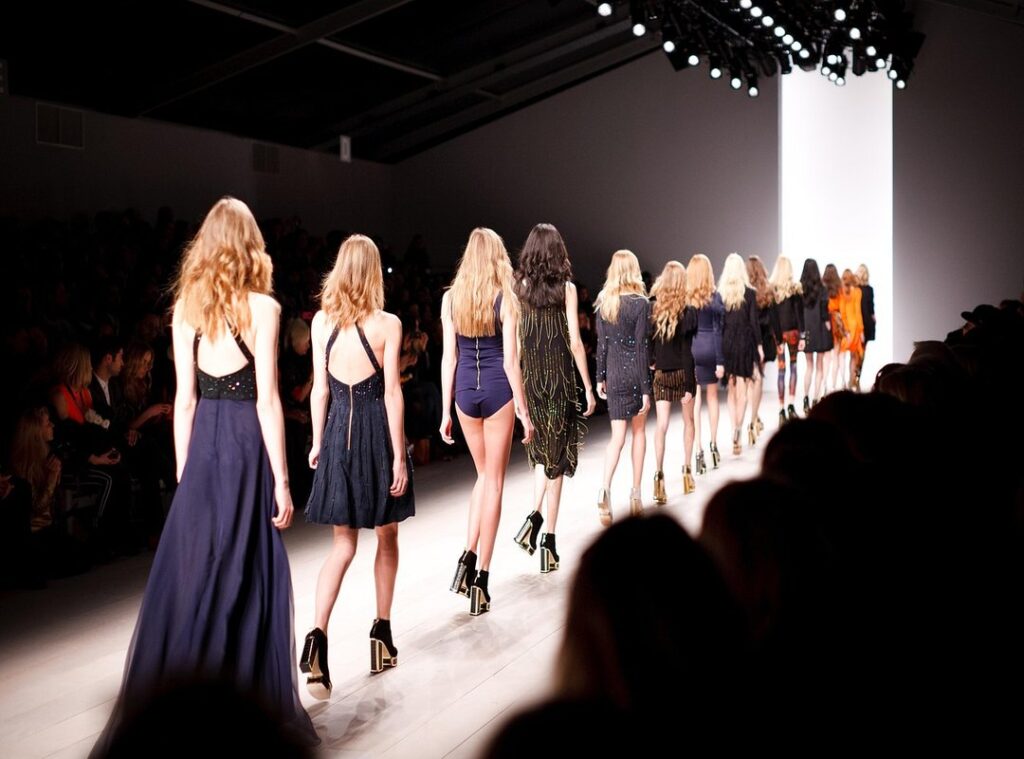
You ever watch a fashion show and think What the hell is happening?
I have. More than once.
That question (Why) Fashion Shows Are Weird Lwspeakfashion (isn’t) dumb. It’s honest.
It’s fair to wonder why models walk down icy runways in July or wear hats that double as furniture.
Why do designers send out outfits no one would wear outside a museum?
This isn’t just confusion. It’s exclusion.
You’re not failing to “get it.” The shows are built to feel alien (on) purpose.
But here’s what I’ll tell you: none of it is random.
Not the chaos. Not the spectacle. Not even the silence when someone walks out wearing duct tape and glitter.
There’s logic behind the weird.
And once you see how it works, fashion stops feeling like a secret club.
It starts feeling like something you can actually watch (and) even enjoy.
You’ll walk away knowing why the strangeness exists.
And why it matters.
Why Runway Clothes Look Like Art, Not Outfits
I click through fashion shows and think: who actually wears this? Not many people. (And that’s the point.)
Why Fashion Shows Are Weird Lwspeakfashion starts here (with) clothes meant to provoke, not pack for a weekend trip.
These shows are labs. Not stores. Designers test ideas they’d never put in a department store.
They stretch fabric, shrink scale, flip proportions. Just to see what happens.
That giant hat? It’s not about sun protection. It’s about weight.
Volume. Memory. Like a painter slapping red on canvas (it’s) not decoration.
Oversized sleeves. Plastic bodices. Dresses made from shredded newspaper.
It’s language.
Those aren’t mistakes. They’re questions. What if shoulders didn’t need to fit through doors?
What if clothing didn’t have to breathe?
You don’t wear them. You see them. Then next season, you see echoes: a puff sleeve, a raw edge, a metallic thread.
The weird becomes wearable (watered) down, sure, but still alive.
This isn’t failure. It’s translation. Art gets simplified.
Ideas get adapted. If everything stayed practical, fashion would freeze.
So yes (it) looks strange. Because it’s supposed to. Would you rather stare at another black turtleneck?
The Show Must Go On
Fashion shows are theater. Not clothing parades. Not retail demos.
Theater.
I’ve sat through shows where the lights went black for ninety seconds before a single model walked. (Yes, ninety. I counted.)
Designers build worlds. They pick a theme like “post-industrial decay” or “teenage rebellion in 1983.” Then they score it with music, paint the floor, rig fog machines, and choreograph pauses.
Why do they go so far? Because no one remembers a beige coat. But everyone remembers when a model walked out holding a live chicken.
Or when the runway cracked open and swallowed three models whole.
That’s why fashion shows are weird Lwspeakfashion.
The weirdness isn’t accidental. It’s calibrated. A loudspeaker in a silent room.
You scroll past ten shows in five minutes. Which one sticks? The one that made you pause.
Blink. Say what?
Spectacle creates memory. Memory creates buzz. Buzz pays the rent.
Some critics call it shallow. I call it honest. You don’t sell dreams with spreadsheets.
You sell them with smoke. With silence. With surprise.
And yes. Sometimes with a chicken.
Why Fashion Shows Feel Like Theater for Insiders
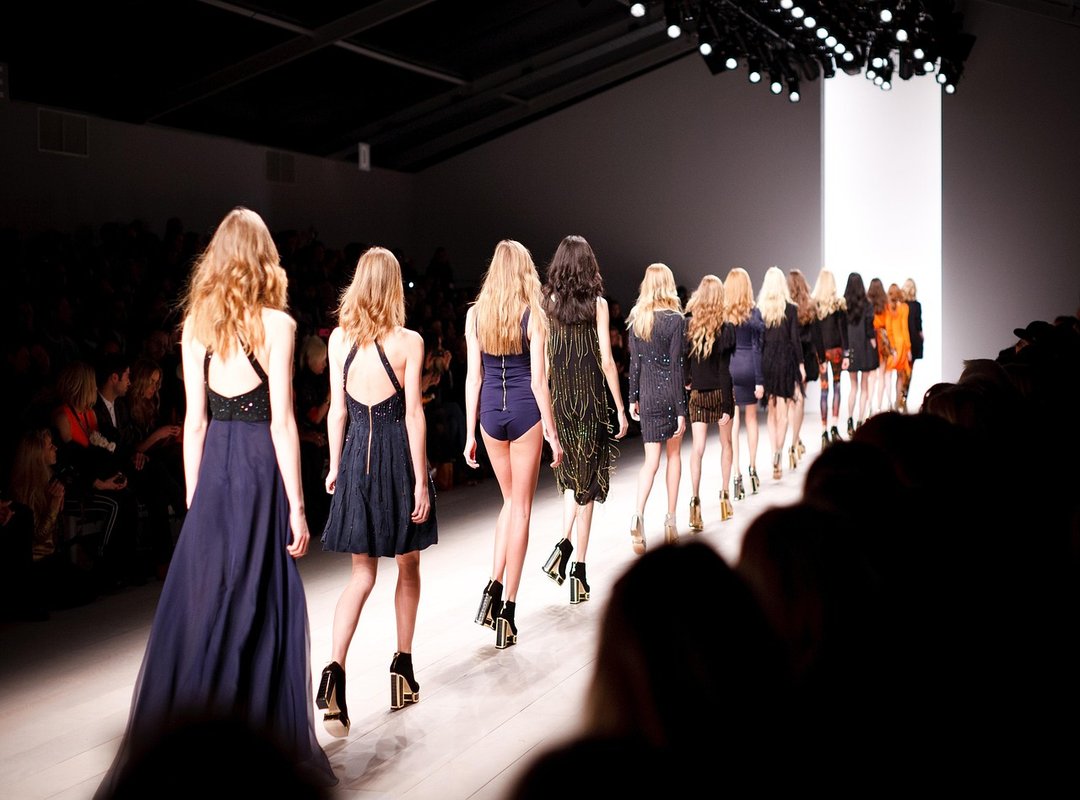
I sat front row at a show once and watched a model walk in a coat made of shredded phone books. (No, really.)
Fashion shows are not for you. They’re for buyers, editors, stylists. And yes, influencers who actually move product.
These people decide what hits your mall next March.
That’s why the clothes look insane. They’re not meant for street wear. They’re trend seeds.
Planted loud so everyone notices.
You see that neon-green puffer with six sleeves? It’s not going retail. But the idea.
Puffers, volume, color (will) trickle down. Fast.
Designers need to shock. Not to confuse you. To prove they’re thinking, pushing, leading.
If every show looked safe, no one would remember them. (And no buyer would place an order.)
Haute couture shows take this further. Zero commercial pressure. Just craft, fantasy, and fabric pushed to its limit.
I once saw a dress held together by 200 hand-sewn magnets. (It fell apart backstage. Still counted as a win.)
The weirdness isn’t random. It’s plan.
It’s how trends get named, sold, and softened before they land in your closet.
Which brings up a real question: if fashion feels arbitrary, why does it matter at all?
That’s exactly what I unpack in Why fashion is important lwspeakfashion.
You already know the answer. You just haven’t said it out loud yet.
Why Fashion Shows Are Weird Lwspeakfashion
I watched a show where models walked barefoot through gravel wearing suits made of shredded newspaper. It wasn’t about selling clothes. It was about asking: What do we throw away (and) why?
Fashion shows get called “weird” because they refuse to behave. They don’t just dress bodies. They dress ideas.
Designers use runways like protest signs.
Rick Owens sent models down in distorted silhouettes to question who gets to be seen as “normal.”
Pyer Moss showed hoodies stitched with civil rights slogans. Not as costume, but as witness.
That “weirdness” isn’t random. It’s calculated discomfort. You squint at the screen and ask: *Why does this feel off?
What am I supposed to notice?*
Beauty standards get stretched until they snap. Gender lines blur on purpose. Current events land not in headlines (but) in hemlines, fabric choices, casting decisions.
A runway isn’t neutral ground.
It’s a mirror held up. Sometimes cracked, sometimes tilted (so) you see something you’d rather skip past.
This is why fashion shows matter beyond trends.
They’re live arguments dressed in wool and wire.
If you’ve ever stared at an outfit and felt confused, then paused and thought wait. What’s it saying?, you’re already doing the work.
That confusion is the point.
Want to dig deeper into how styling choices carry weight? The Lwspeakfashion styling guide by letwomenspeak breaks it down without jargon.
Weird Is Working
I used to stare at fashion shows and think what the hell is happening.
You probably did too.
That confusion? It’s normal. It’s not you.
It’s the show refusing to explain itself.
The weirdness isn’t broken. It’s built in. It’s art first.
Storytelling second. Trendsetting third. Commentary always.
I stopped asking why is this strange and started asking what is it saying.
You can too.
Why Fashion Shows Are Weird Lwspeakfashion. That’s not a question to panic over. It’s an invitation.
You don’t need a degree to get it.
You just need to stop waiting for permission to look closer.
Those exaggerated shoulders? A mood. That 20-minute silence before the model walks?
Tension on purpose. That dress made of recycled cassette tapes? History with attitude.
This isn’t noise. It’s signal. If you know where to aim your attention.
You came here because fashion shows baffled you. That frustration? I felt it.
You’re not behind. You’re just untrained (and) that’s fixable.
So next time one hits your feed, pause. Breathe. Ask: *What’s the feeling here?
What’s being pushed or pulled?*
Don’t try to “get” it all. Just catch one thread. Follow it.
You’ll start seeing patterns. Then power. Then play.
That shift (from) confusion to curiosity. Is real.
And it starts now.
Go watch one show again.
This time, watch like it’s theater. Not a catalog.
Then come back and tell me what you noticed.
 As the lead trend analyst for Jex Lifestyle, Lirona Vaxhaven has an uncanny ability to spot the next big wave in fashion long before it hits the mainstream. Blending a background in cultural anthropology with a keen eye for street style, she deconstructs complex runway collections into practical, everyday outfit inspiration. Lirona’s curated edits focus on effortless versatility, helping readers build timeless wardrobes that feel entirely modern. Her sharp, insightful commentary ensures that the community stays ahead of the curve while remaining authentic to their own personal style.